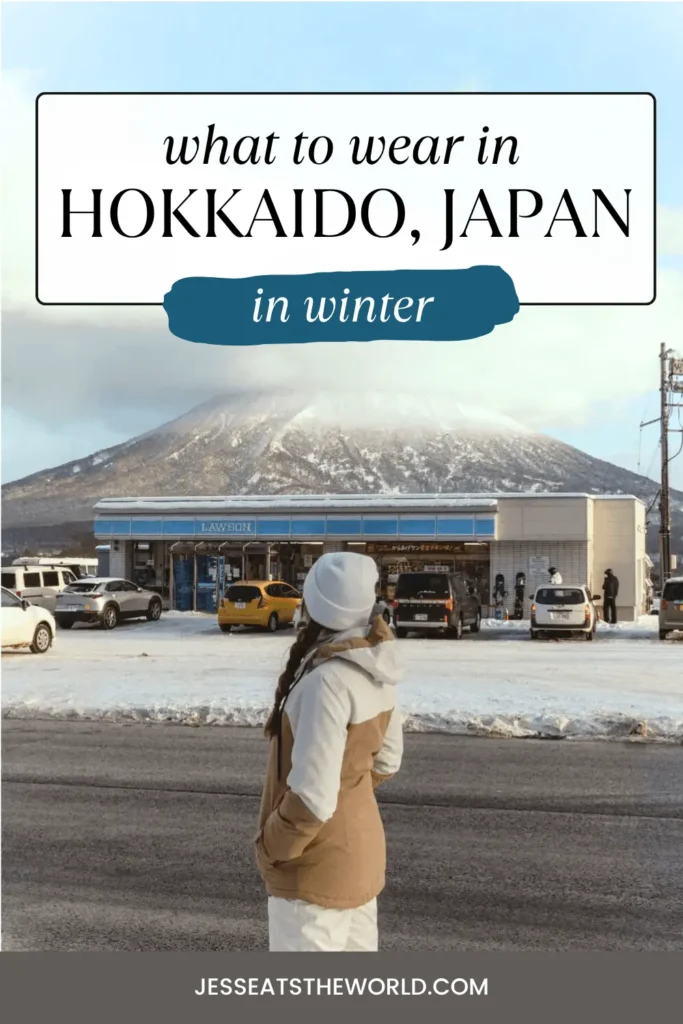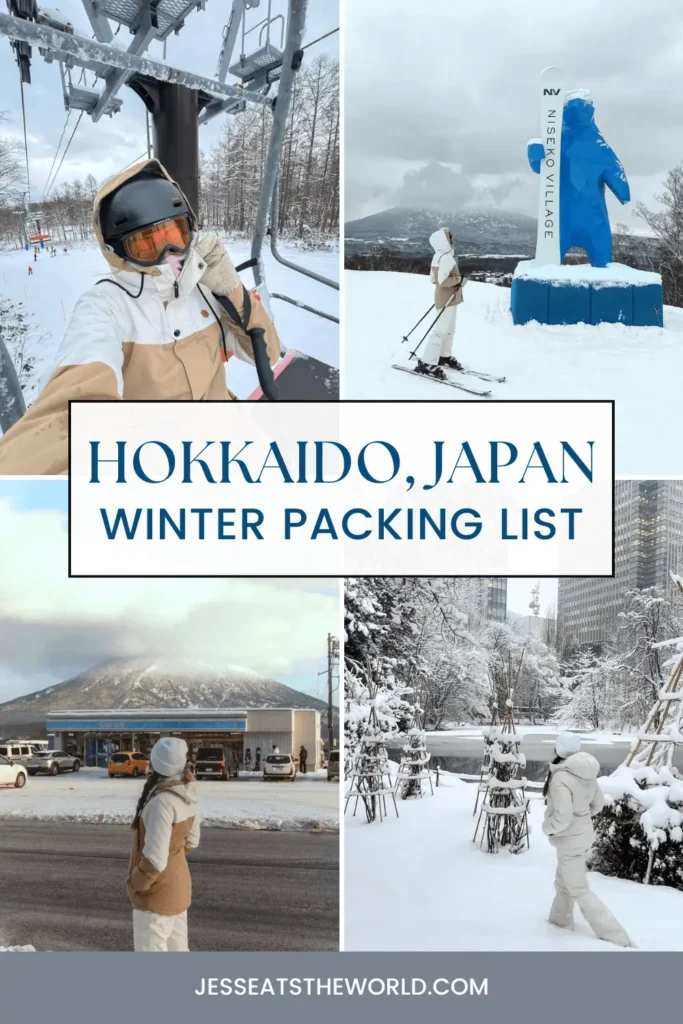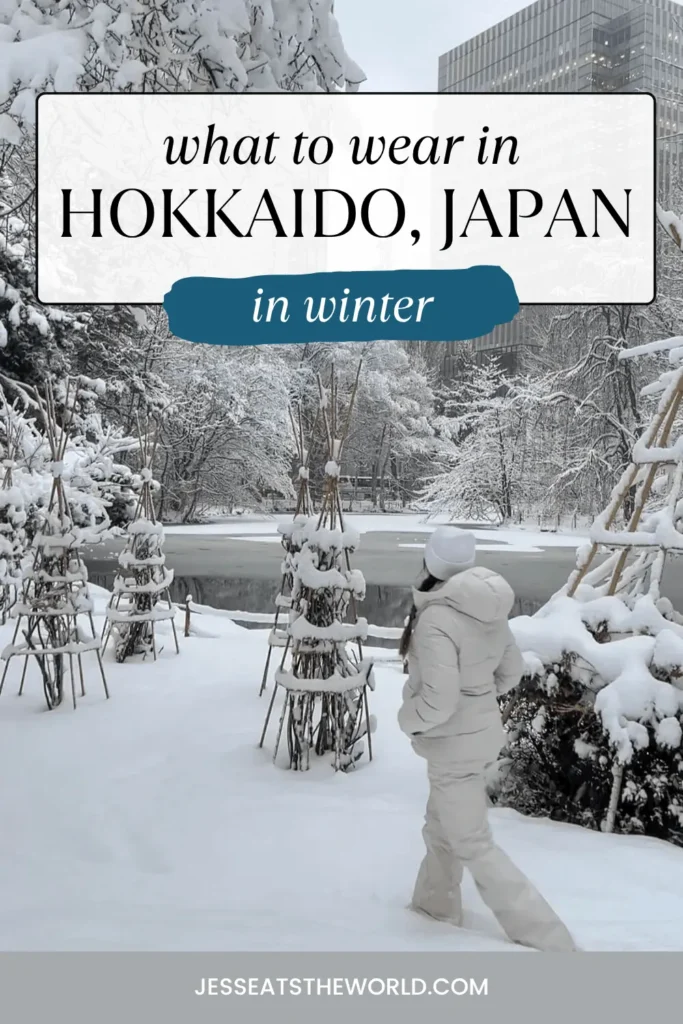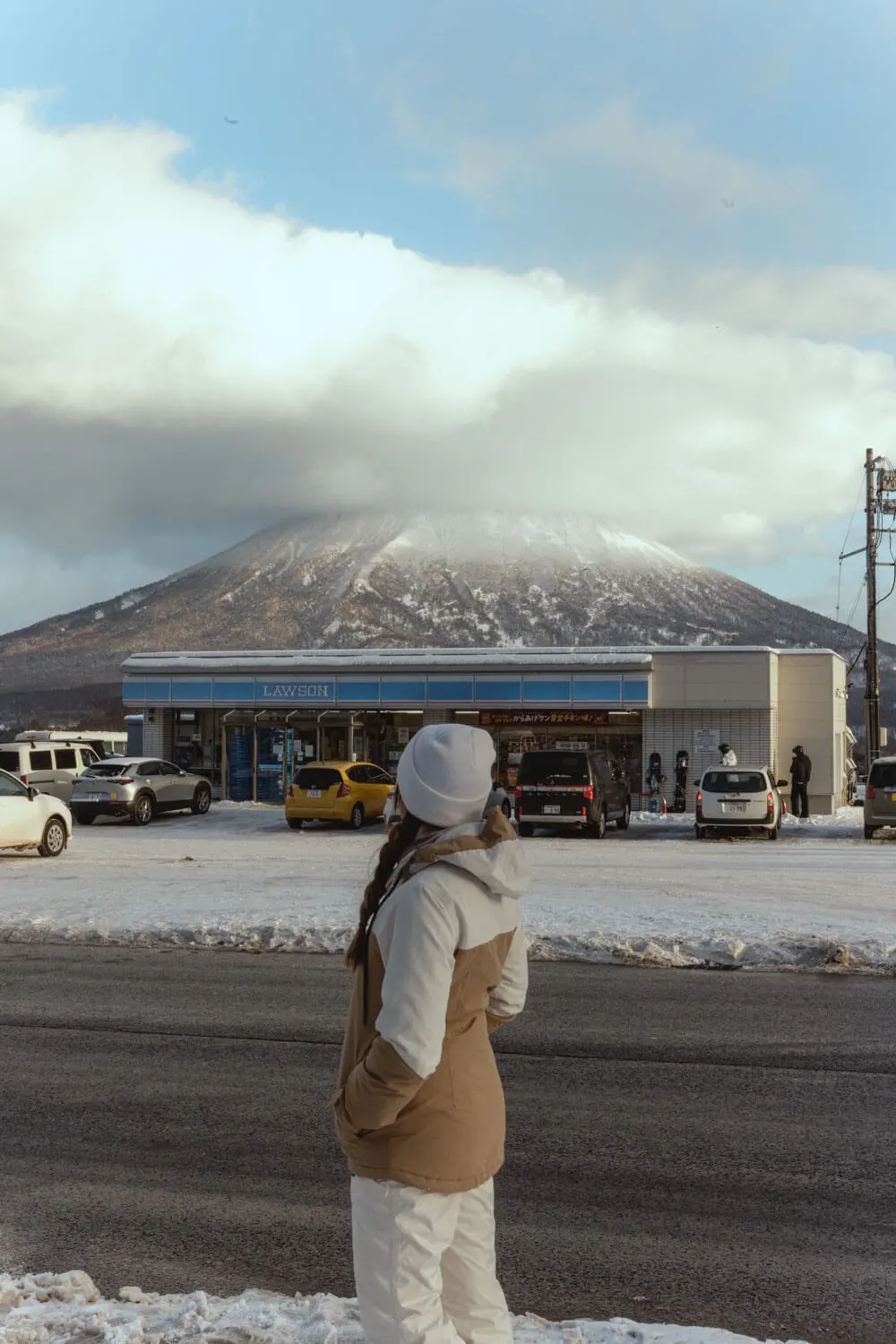


Hokkaido is a winter wonderland and a bucket-list destination for many, but knowing what to wear can make or break your trip. After navigating dozens of brands and products, I’ve decided to write this packing list to help you understand and easily find the right items to pack for your trip to Hokkaido.
Whether you’re exploring Hokkaido’s snowy landscapes or heading to the slopes, keep reading to guarantee you stay warm and cozy during your Japan winter trip…
Disclosure: This post may contain affiliate links for products or services that I personally endorse and love. Should you make a purchase, I may make a commission at no additional cost to you. Thank you for supporting Jess Eats The World!
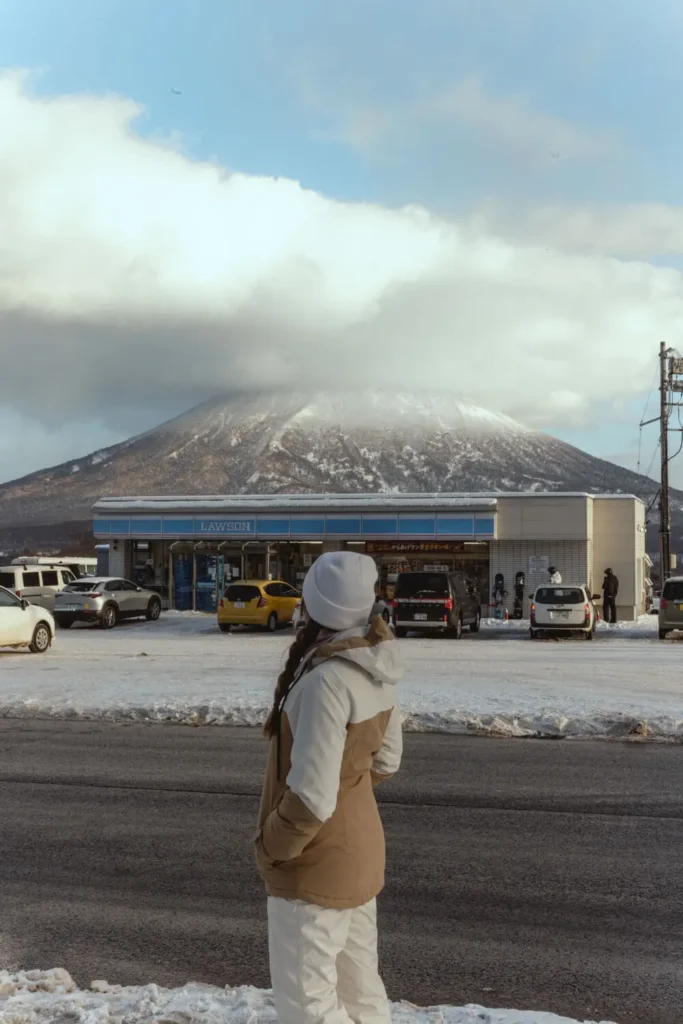
What to know before travelling to Hokkaido in winter
The main thing to know before planning your trip to Hokkaido is that this island experiences a much longer winter period than the usual December-February winter season in Central and Southern Japan.
In fact, Hokkaido is one of the snowiest inhabited regions on Earth!
Snow starts accumulating in Hokkaido in November, with ski seasons lasting up to March or April. Additionally, wind chill in Hokkaido can make temperatures feel colder by 10-15°C (50-50°F) – this is why windproof clothing is so important.
As such, my packing list remains consistent throughout the season, as what you’d wear in Hokkaido in December is similar to what you’d wear in March. The optional items are adventure gear, which depend on whether you travel to Hokkaido for skiing/snowboarding or just to explore.

Tip: Don’t forget to check the weather forecast for the dates of your trip to know what to expect.
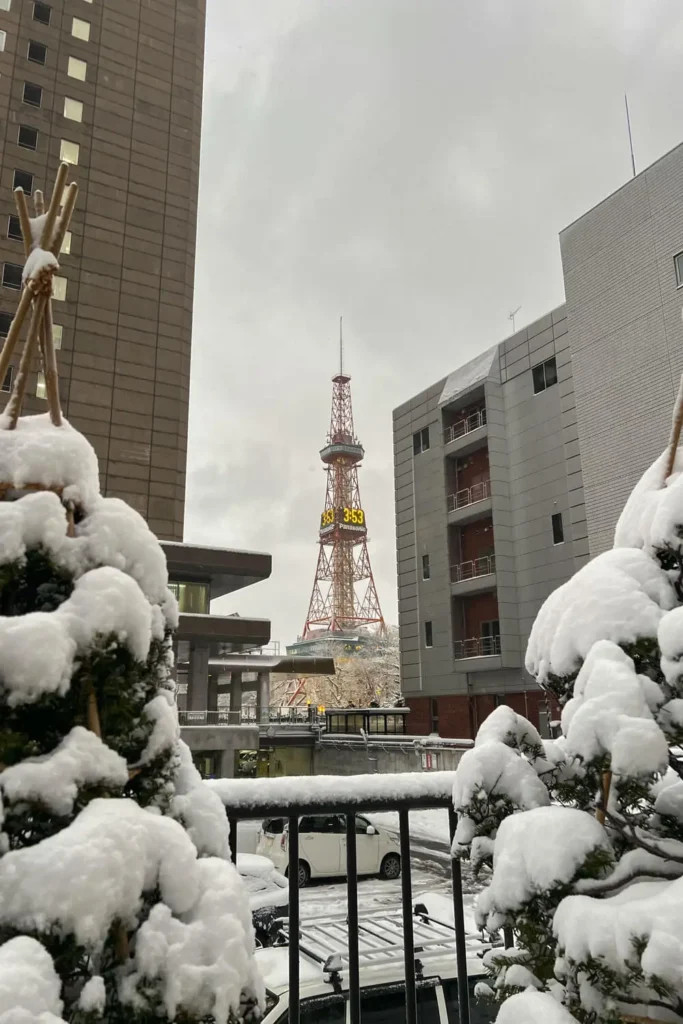
What should I wear in Hokkaido in winter?
The main secret to dressing warm in Hokkaido is layering appropriately.
Over the next sections, I will detail the layers that you should wear when visiting Hokkaido in winter. It can be tricky to research options, so I will also recommend specific brands and alternatives for different budgets.
This Hokkaido packing list is suitable both for travellers spending time exploring cities like Sapporo, as well as for those partaking in outdoor activities, such as skiing or snowboarding.
By the end of this guide, you will have everything you need! You can also click here to jump to my itemised Hokkaido packing list.
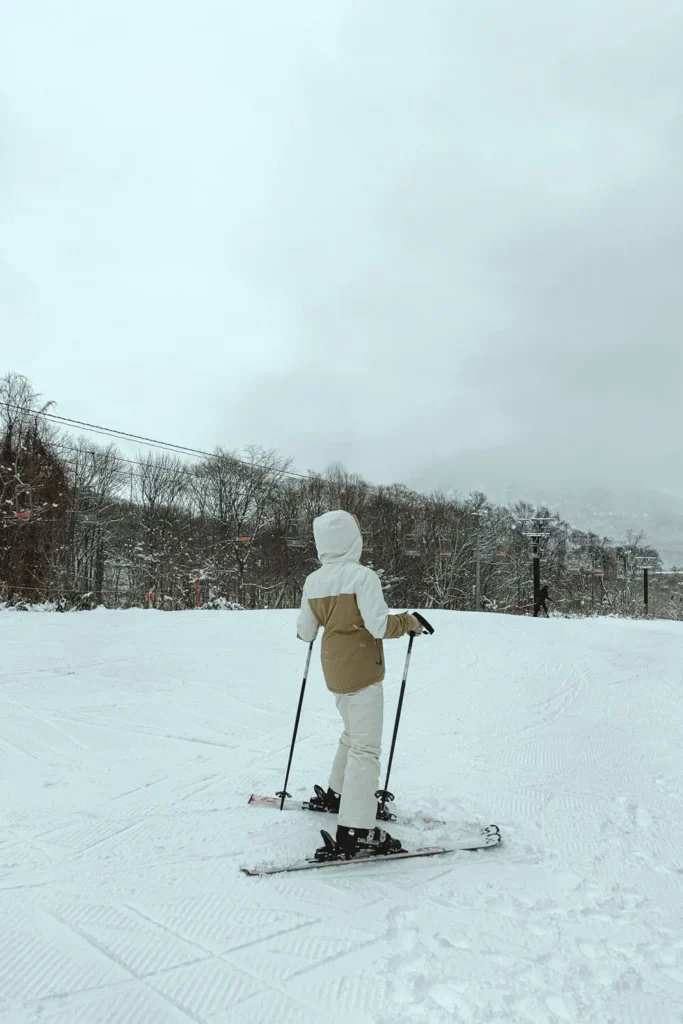
Layer #1: Thermal layer / Baselayer
Your baselayer will be your best friend during your winter trip to Hokkaido, as you will wear it underneath everything else.
The best baselayers are made out of wool. Wool is odour-repellent, moisture-wicking, and temperature-regulating – it keeps you cool when it’s warm and traps in the heat when it’s cold! Plus, it doesn’t smell after you wear it (yes, it’s true!).
Especially if you go skiing and snowboarding, wool is the best baselayer material because it’s breathable and allows for sweat to evaporate. Synthetic baselayers will trap your sweat and make you feel cold when that moisture cools down against your skin.
If you have sensitive skin, merino wool is ideal for being less itchy and lightweight.
A good brand I found for 100% merino wool baselayers is Icebreaker – they even sell merino wool underwear. If you’re on a tight budget, Uniqlo‘s Heattech range is a reasonable option. It’s not made out of wool, so you may need extra clean sets, but it’s perfectly suitable for city exploration and less-active days.

Layer #1: Socks
Once again, wool is the best material for socks, as it allows for your sweat to evaporate, and they won’t smell! Seriously.
With good wool socks, you can get away with packing only a couple pairs for a 1-week trip. 100% wool socks are hard to find, and they tend to get holes easily, so try to find socks with the highest-possible percentage of wool.
You can usually find good warm wool socks in the hiking section at sports stores – for skiing/snowboarding, make sure to get specific ski and snowboard socks with a high wool content.
I own a few pairs of 70% wool Heat Holders socks for everyday wear, and I love them! They’re thick, comfortable, and they never smell. They also come in fun colours, so you can be warm and look cool.

Layer #2: Midlayer
You’ll also need to wear a midlayer before your final outer layer. The midlayer should be thicker than your baselayer, but still allow you to wear a sweater on top.
Midlayers are often made of fleece or wool, and they are normally stylish enough that you can wear them indoors without a coat or a sweater.
I bought my trusty fleece from The North Face, but other reliable brands include Columbia and Patagonia. For some decent budget-friendly options, look at Decathlon.
Layer #2: Snow Trousers / Shell Trousers
Going back to this section where we discussed Hokkaido’s wind chill factor… It is very important to wear snow or shell trousers outdoors that not only keep you warm but that are both waterproof and windproof.
I got mine from The North Face, whereas my partner got his from Schöffel. Solomon is also a great brand that he considered. Again, for more affordable options, I highly recommend looking at Decathlon.
Layer #3: Wool Sweater
If your midlayer is already a thick fleece (like my toasty The North Face fleece), you may be able to skip this layer. However, if your midlayer is a lighter fleece, then adding a wool sweater is very important on colder days.
It can be hard to find 100% wool sweaters (again, everything is polyester these days!), and while there are certainly options in Japan, I wouldn’t recommend travelling there without packing at least one ahead of time. Dale of Norway is a high-quality and trustworthy Norwegian brand that you can look into before your trip.
Layer #4: Snow Boots / Winter Boots
Snow boots (or winter boots) are one of the most important items that you will wear in Hokkaido, and they should be of good quality. While you will likely see plenty of Japanese people wearing regular shoes (and slipping around) in Sapporo, I wouldn’t advise you to do the same.
Most importantly, your winter boots must be waterproof and have good grip – this is non-negotiable, as you’ll be walking on snow. The best snow boots are also windproof, which is important for keeping your feet warm.
Sizing-wise, you should account for some room for thick socks, which may require sizing up. Your feet should not be dangling around inside your boots, but you need some space to allow for appropriate insulation.
I got my failproof snow boots from Fubuki, which is a Japanese brand that’s sold internationally as well. My partner got his from The North Face, and obviously Sorel is a global favourite.
Layer #4: Down Jacket / Ski Jacket
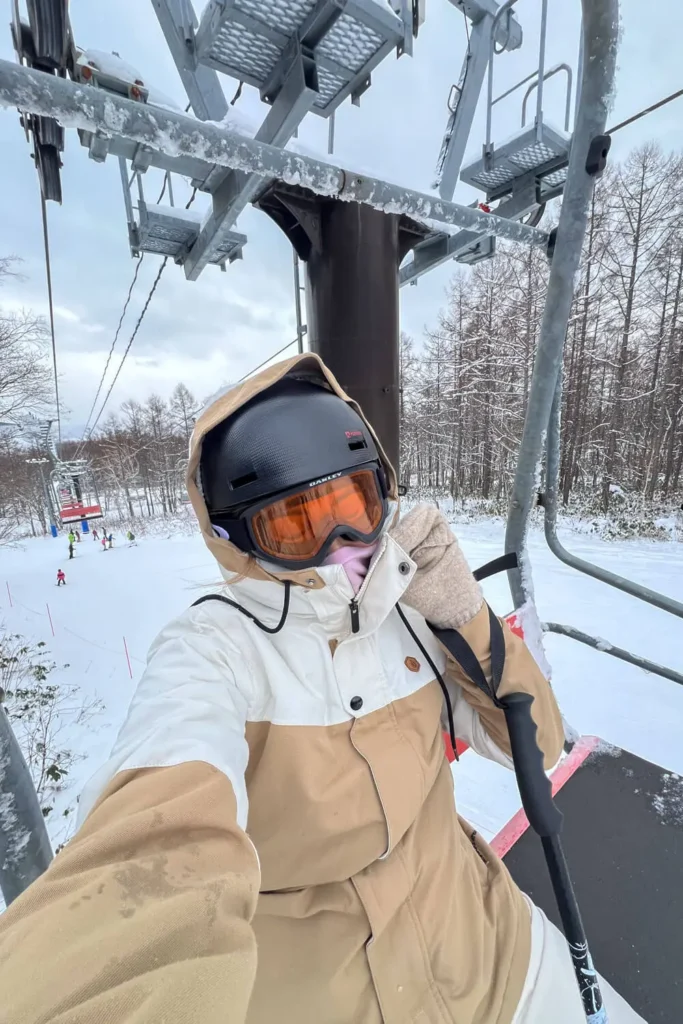
The final item of your main clothing layers is a good down jacket (and/or a ski jacket, if you’re heading to the slopes). It must be windproof and at least water-resistant.
Down jackets are an investment, and they are essential in cold destinations (whether you go to Japan, Norway, Iceland, Sweden, Finland, Alaska, etc.). Therefore, if you buy a down jacket ahead of your trip, make sure that you pick a style and colour that you can wear and re-wear over the years.
Both my partner and I got our down jackets from The North Face, but there are quite a few good brands out there. Among the top choices, you obviously have Canada Goose. For those on a lighter budget, Uniqlo have more affordable options – especially if you’re only going on a short trip and not wearing it much afterwards.
If you’re skiing/snowboarding in Hokkaido but don’t own your own ski jacket, you can rent one as part of your gear rental as needed. I rented my ski jacket from Rhythm Japan* for a few days when I skied in Niseko.
*Use my code “JESSVKLOOK” for 10% off your first purchase, or 3% off for existing customers
Optional: Ski / Snowboarding Gear (Skis / Snowboard, Poles, Boots, Goggles, Helmet, etc.)
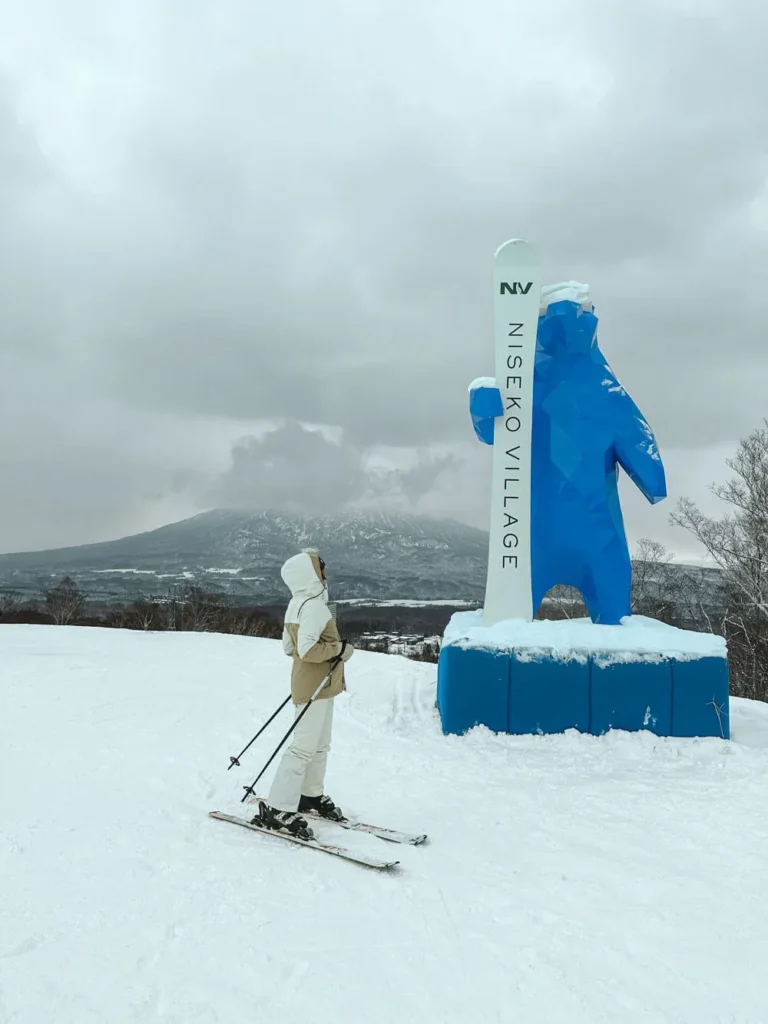
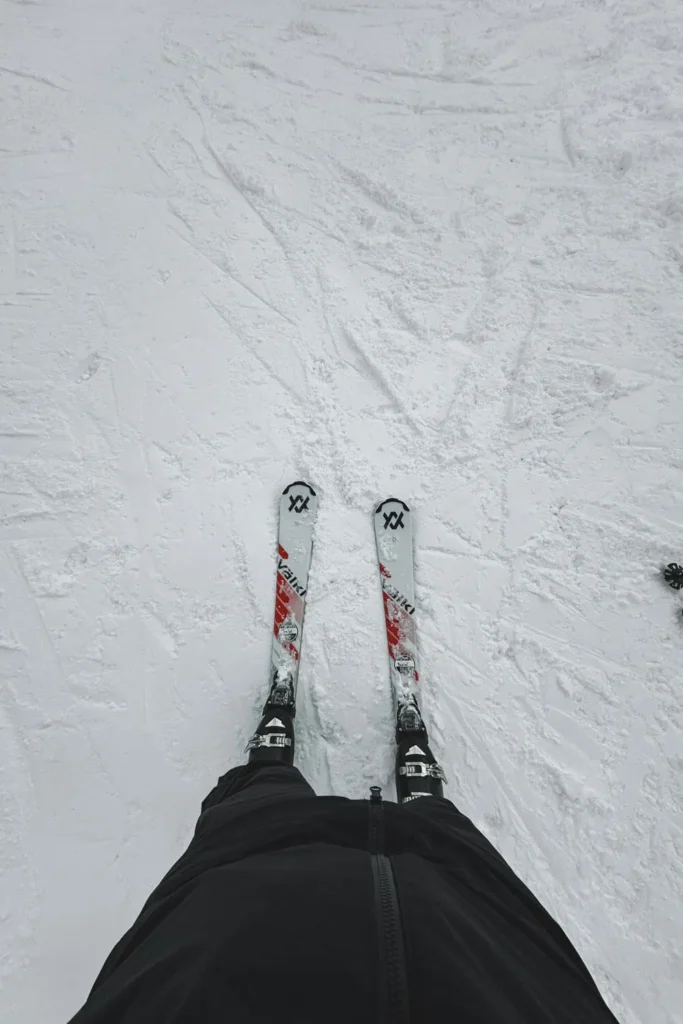
If you’re heading to the slopes, you may consider packing your own ski or snowboarding gear. Very experienced skiers/snowboarders often choose to travel with their own gear, as they’re already familiar with it for optimal performance and comfort. It also saves time on bypassing ski rental fittings and collection/drop-off.
However, for most people, I actually recommend renting your gear as and when you need it. Travelling with ski /snowboarding gear demands special logistics on airports, trains, and cars (as ski bags are big and heavy), as well as additional airline oversize luggage fees. There is also always a risk that your gear gets damaged or lost.
If you plan to go skiing/snowboarding, I do recommend that you bring your own snow goggles. In Hokkaido, ski rental shops don’t usually rent goggles for hygiene reasons, therefore, even if you rent your whole gear, you’ll still need to buy your own goggles.
If you don’t own your own ski/snowboarding gear already, it doesn’t make sense to buy some for just one trip anyway. Many rental shops in Hokkaido also offer packages where you can swap between ski and snowboarding gear, making it easy to enjoy both activities during your trip under the same rental.
I rented my ski gear from Rhythm Japan* for a few days when I skied in Niseko.
*Use my code “JESSVKLOOK” for 10% off your first purchase, or 3% off for existing customers
Accessories & Gadgets
#1 Gloves, Mittens, and Hand-warmers
Keeping your hands warm is super important during the Hokkaido winter, but it can be tricky to find the right gloves that you can keep on for a long period of time when you need to use your phone.
There are many brands now selling touch-screen gloves, which range from thin gloves to thicker ones. I found that the perfect combination for me is wearing merino wool touch-screen glove liners inside a pair of waterproof gloves or mittens.
With mittens, since I can remove the finger cover, I can use my phone without having to fully remove my gloves. Once I am done, I can just flip the cover back over my fingers!
You can also buy hand-warmers for emergencies, should your hands get cold and need to warm up quickly. If you’re going to be outdoors for long, I recommend getting a pair of rechargeable hand warmers – they charge like a phone and last for several hours.
#2 Scarves, Neck Warmers, and Headwear
Scarves and beanies (or other headwear) are my favourites to get in fun colours, because they’re usually light to pack and I can mix and match them on different days.
Knitted beanies are great for keeping your ears warm and to prevent heat loss through your head. Big scarves are great for light activities, while merino wool neck warmers are the best choice to wear while out on outdoor activities skiing and snowboarding.
The best material to look for, once again, is wool. However, if you struggle to find wool accessories, just pack the warmest ones you have.

#3 (Optional) Spikes / Cleats / Crampons
Spikes (or cleats/crampons) are not necessarily mandatory for a trip to Hokkaido, but they are helpful even in cities like Sapporo, where the streets can be covered with fresh snow, snow mush, or icy layers.
Even in early December, I often witnessed locals slipping, and it required some care not to slip myself even though I wore my snow boots. If you buy spikes, choose some that you can slip over your shoes/boots, so that you can remove them before entering shops/buildings (as they damage the floors).
Tip: If you’re not sure whether you’ll need spikes, you can also buy them once you’re in Japan, as they’re sold in many shops.
#4 Other essentials
Lip balm and a good thick hand cream and moisturiser are essential when travelling to cold destinations to prevent dry and cracked skin. You can also buy them once you’re in Japan.
If you plan to go hiking, a headlamp is a safety necessity for the long dark hours during winter.
Although it might not be sunny often, when it is, it can be very uncomfortable dealing with the sunlight reflecting off the snow (particularly if you go skiing). Make sure to pack a pair of sunglasses.
Finally, don’t forget to pack a sturdy camera or phone tripod! Don’t forget that batteries drain faster in the cold, so make sure to pack backup batteries and extra chargers.
Itemised Winter Packing List for Hokkaido, Japan
Now that we’ve gone over the details for each of the layers, I’ll leave here an itemised packing list with everything you’ll wear during your trip to Hokkaido.
This packing list is tailored for an average 1-week trip, so feel free to adjust based on the duration of your own visit to Hokkaido.
What to pack for a winter trip to Hokkaido, Japan:
- 1-2 base layer sets (bottoms and shirts – preferably wool)
- 2 fleece midlayers
- 2 warm sweaters (preferably wool)
- 1 pair of windproof and waterproof snow/shell trousers
- 1 pair of regular trousers or jeans (if you’ll spend more time indoors and not in contact with snow)
- 1 windproof and water-resistant down jacket or ski jacket, suitable for cold temperatures
- (Optional – if skiing/snowboarding: can be rented as well) Ski/snowboard gear (skis/snowboard, poles, ski/snowboard boots, helmet)
- (Optional – if skiing/snowboarding: cannot be rented) Snow goggles
- 1 set of touchscreen waterproof gloves or mittens
- 1 pair of touchscreen glove liners (optional – preferably merino wool)
- 1+ warm beanie/hat
- 1+ warm scarf and/or neck warmer
- 2-3 pairs of wool socks (7 if not wool)
- 7 sets of underwear
- 1 pair of snow/winter boots
- 2-3 packets of hand warmers (or preferably 1 pair of rechargeable hand warmers)
- (Optional) Spikes/cleats/crampons (you can get them in Japan, too)
- Lip balm
- Thick hand cream and moisturiser
- (Optional – if you plan on hiking) Headlamp
- Camera (plus extra batteries) or phone tripod
- 1 pair of sunglasses
Last thoughts
I hope this packing list is helpful to deciding what to wear ahead of your trip to Hokkaido in Japan. By following the above checklist, you’ll be able to find the right items and materials, and have an easy time packing.
Feel free to write any questions you may have in the comments – I’ll do my best to help!
Visiting soon? Check out my Japan guides:
Visiting Hokkaido, Japan this winter and wondering what to wear? Pin this packing list to save it for later!