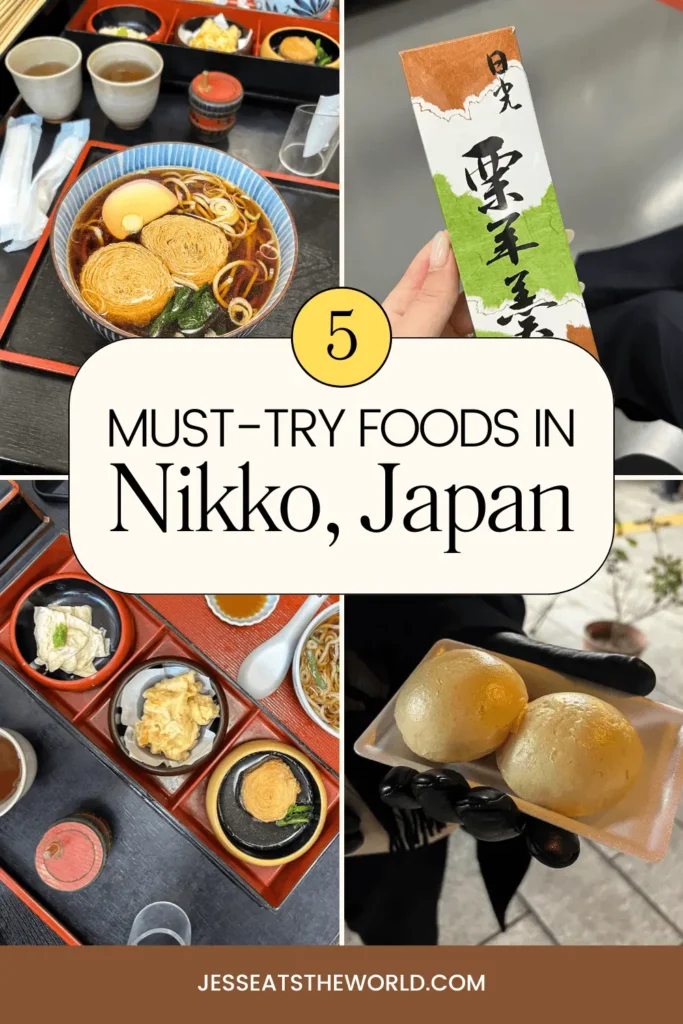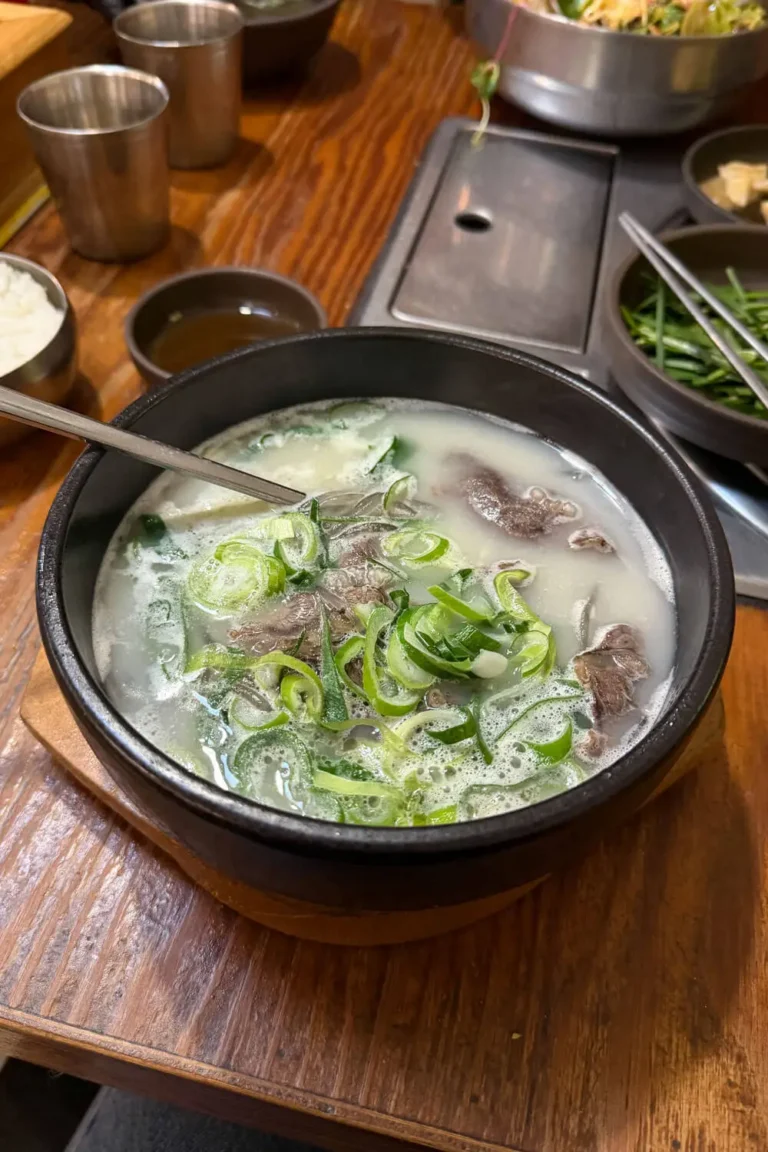


If you’re a foodie visiting Nikko, I’m sure you’ll want to try as many traditional foods as possible. As a food-lover myself, I wasn’t satisfied with only trying cute snacks – I wanted to create a food guide with foods that actually originated in or around Nikko.
So, I’ve compiled this food guide with 5 of the best foods from Nikko that you must try during your Japan trip – and where to eat them!
What foods is Nikko famous for?
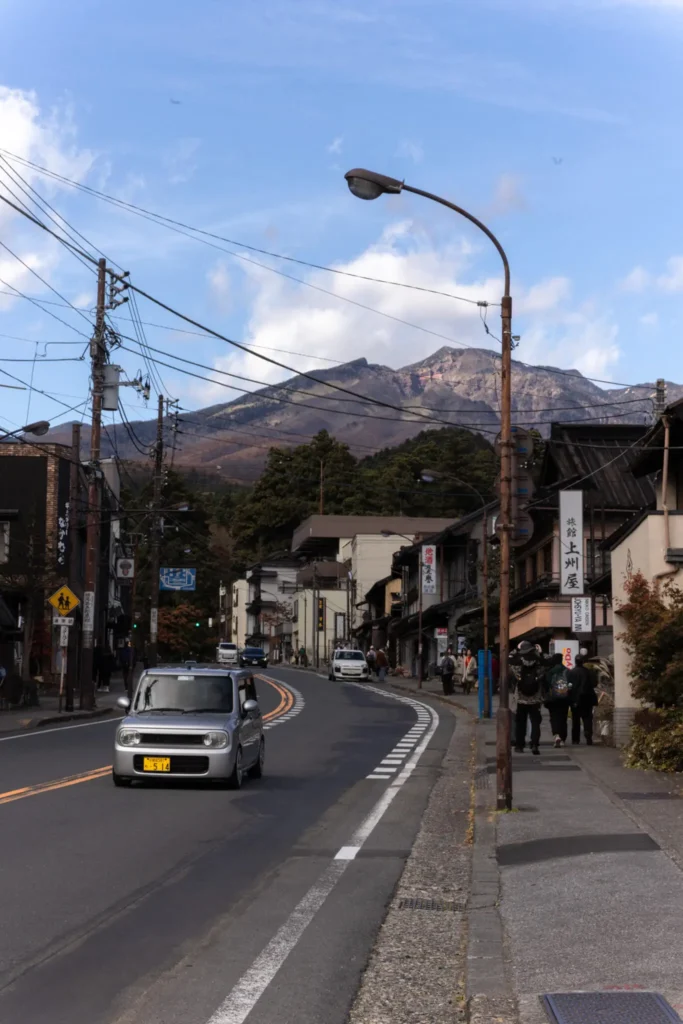
As a holy site of mountain worship (Shugendō) dating back to the Nara period (710–784), Nikko’s local gastronomy is heavily rooted in Buddhist vegetarian cuisine (shojin ryori) and the region’s temple-centric history. Many foods which historically had been used as offerings to temples and shrines, or as edible souvenirs (omiyage) or provisions for pilgrims, are still part of Nikko’s food heritage today.
Additionally, Nikko’s ideal geographic conditions for cultivating high-quality buckwheat and the abundance of clear, mineral-rich mountain water also promoted a prosperous environment for producing premium local ingredients which have become synonym with the region.
Visiting Nikko from Tokyo? Check out these tours:
*Use my code “JESSVKLOOK” for 10% off your first purchase, or 3% off for existing customers!
Klook.comBest Food in Nikko, Japan: 5 Local Foods to Try
1. Soba (Buckwheat Noodles)

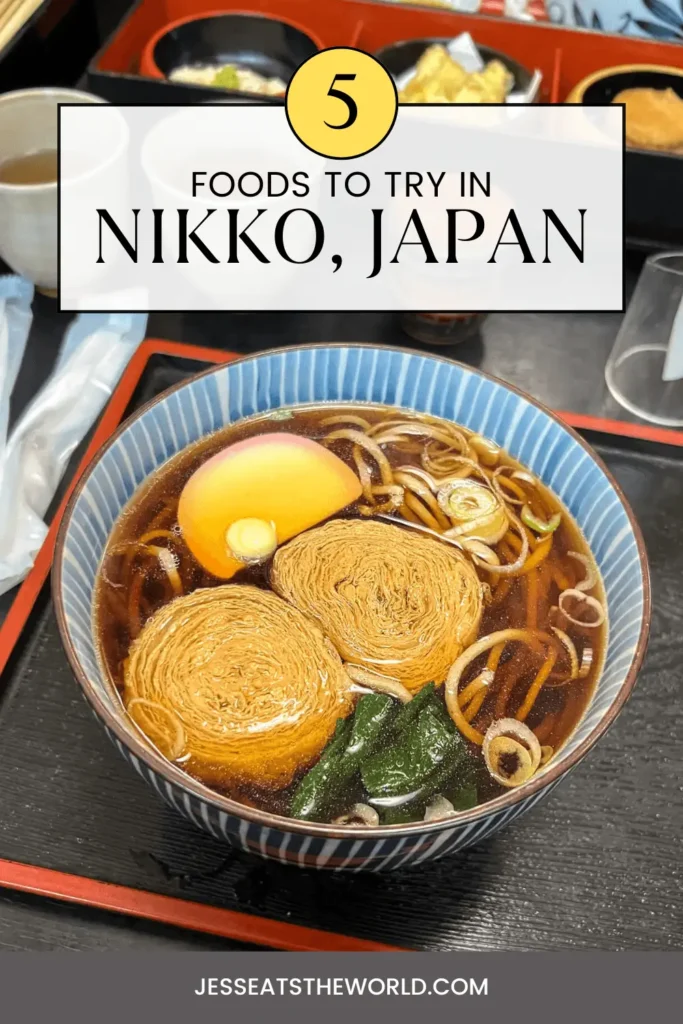
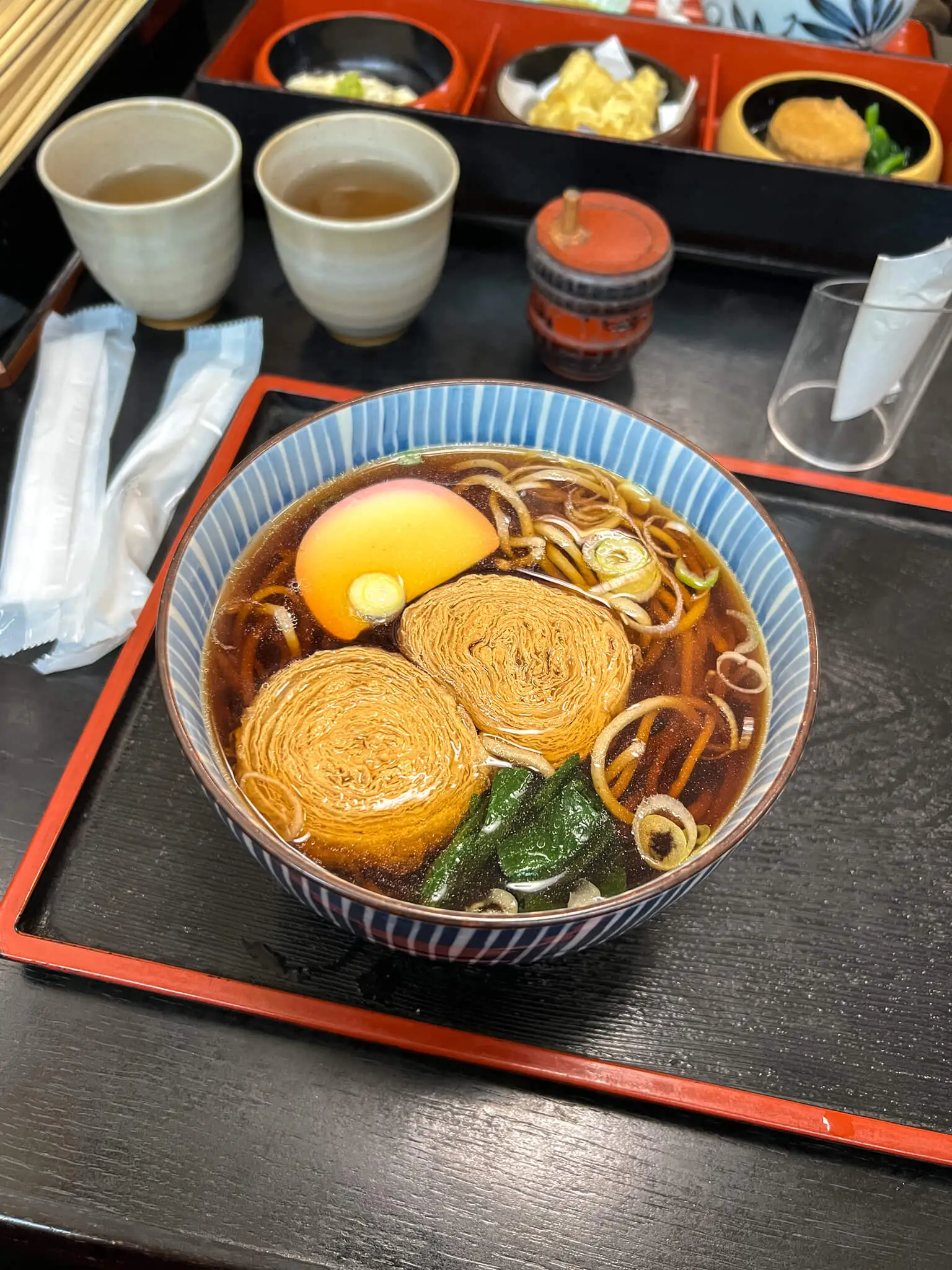
While you can find soba (そば, buckwheat noodles) all over Japan, the ideal geographic conditions in Nikko allow for the sourcing of high-quality buckwheat and mineral-rich mountain water that make excellent soba!
You can eat soba in a broth, dipped in sauces, and paired with tempura or yuba (tofu skin) as yuba soba. In some restaurants, you can also experience the traditional post-meal sobayu, where the chef pours some of the noodles’ mineral-rich cooking water into your dipping sauce, for drinking.

Where to eat it
There are plenty of restaurants serving soba all over Nikko, with some of the highest-rated by locals being Ajidokoro Azuma (right outside Tōbu-nikkō Station), Sobadokoro Mutsumi-an, and Takumi-an.
If you’d like to try multiple foods from Nikko casually between temple-hopping, I can also recommend Sobadokoro Hayashiya, as they also serve yuba (tofu skin) as part of their set meals.
2. Yuba (Tofu Skin)
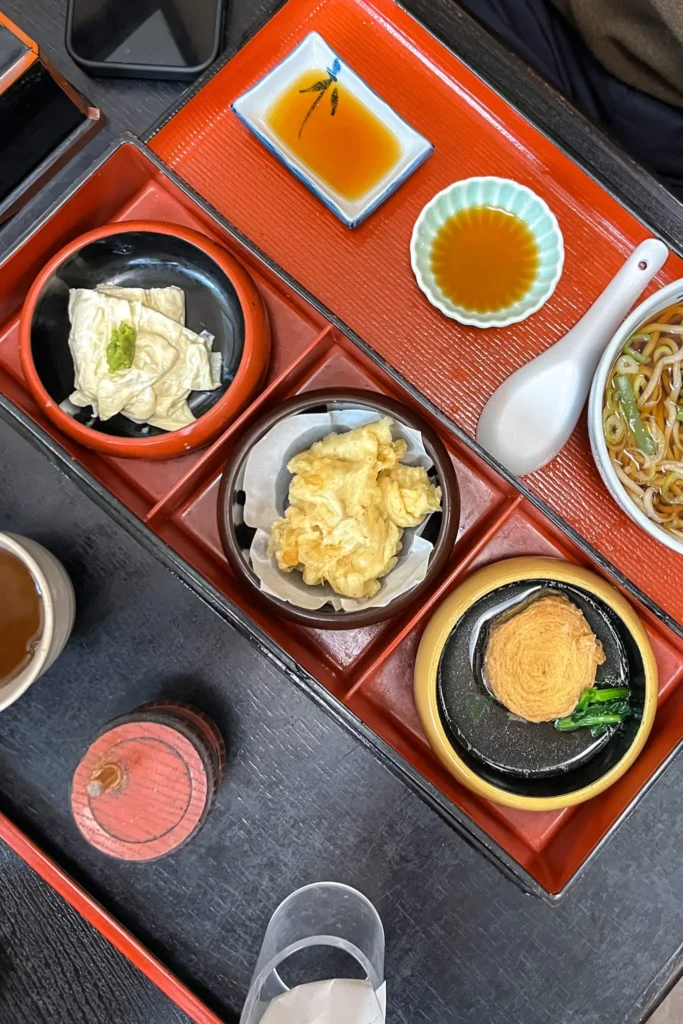
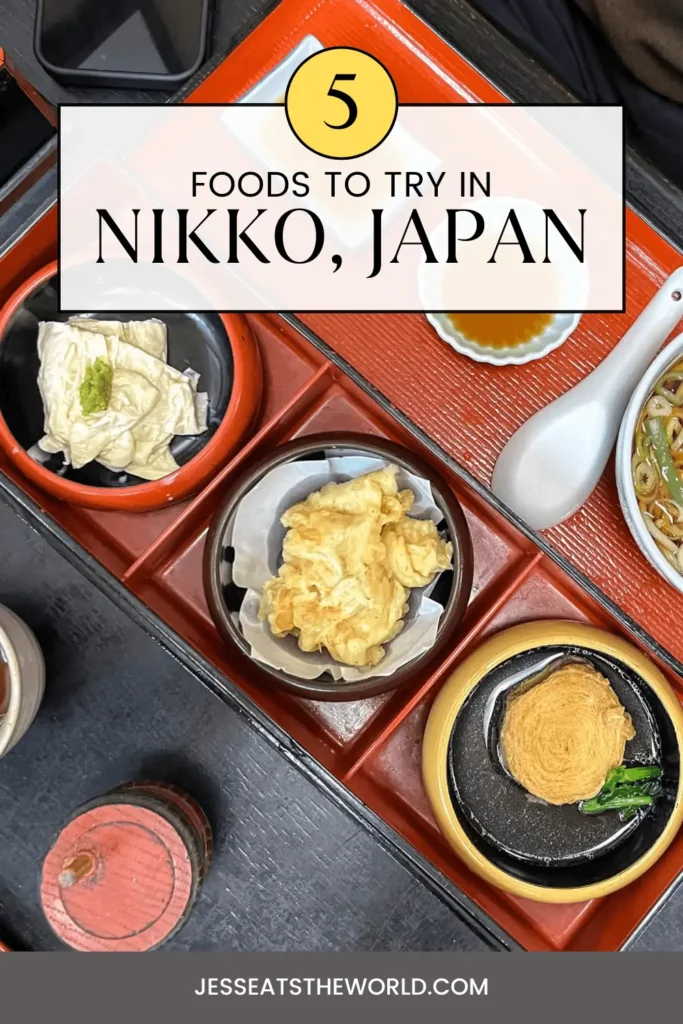
Heavily rooted in Nikko’s temple-centric history, yuba (湯波, literally “tofu skin”) is simply the protein-rich film that forms at the surface of simmered soy milk. While also popular in Kyoto, Nikko’s yuba is thicker, and usually rolled up in the shape of a disk.
Yuba was brought to Japan from China by a Japanese buddhist monk about 1,200 years ago. As one of the most protein-dense soy products available, yuba became a crucial ingredient for monks in Nikko, as part of the local Buddhist vegetarian cuisine (shojin ryori). It was also used as an an offering to temples and shrines.
The best way to enjoy yuba in Nikko is by trying a yuba set meal (Yuba Gozen) – a set of small dishes showcasing yuba in multiple textures and cooking methods.
Where to eat it
If you’re looking for a casual taste of yuba between temple-hopping, I can recommend the yuba set menu at Sobadokoro Hayashiya, where you can try raw, boiled, and fried yuba. It’s also a good place to try Nikko’s famous buckwheat soba as part of the set meal!
For a more comprehensive experience, the restaurant Yuba-gozen Sun Field is very popular in Nikko for their affordable yuba set (the only item on their menu), serving yuba prepared in 12 different ways!
Visiting Kyoto during your Japan trip? Check out my Kyoto Food Guide!
3. Sake Manju and Yuba Manju (Steamed Buns)
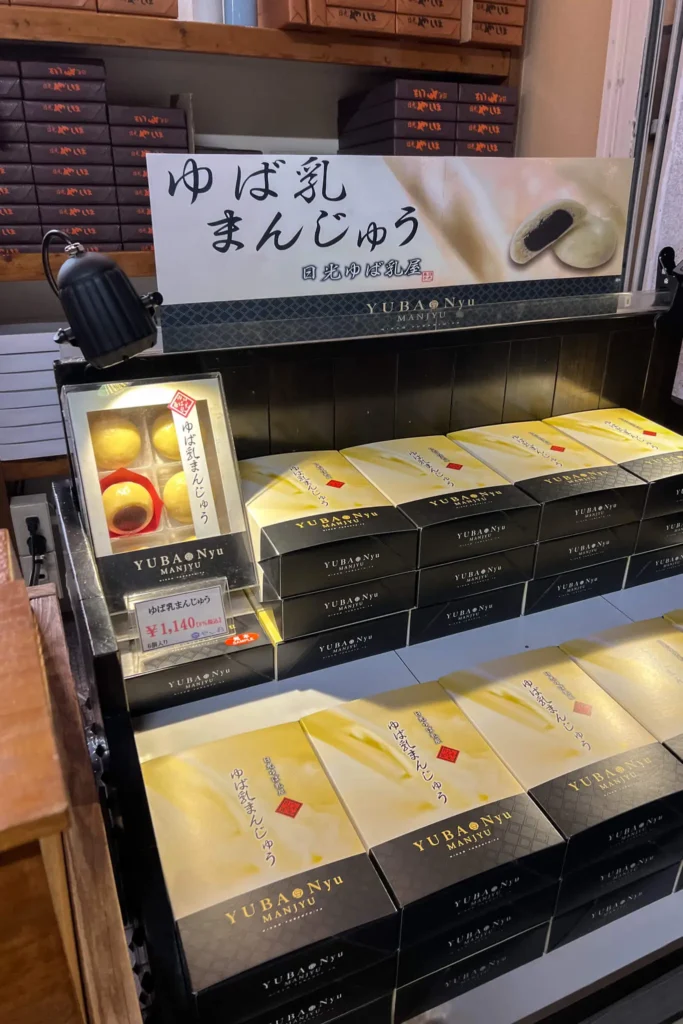
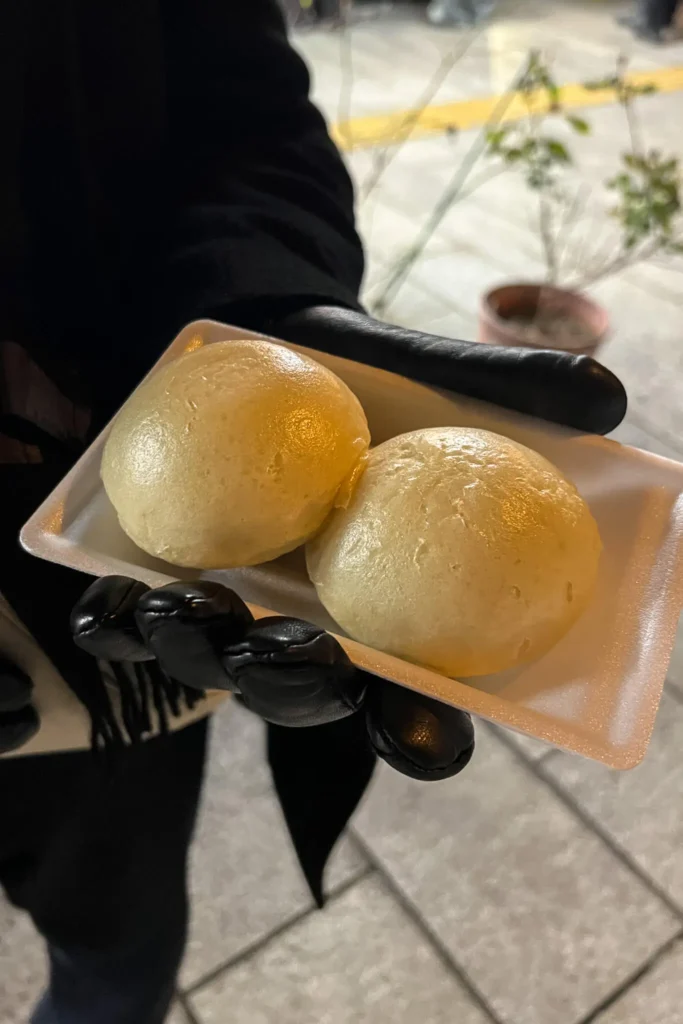
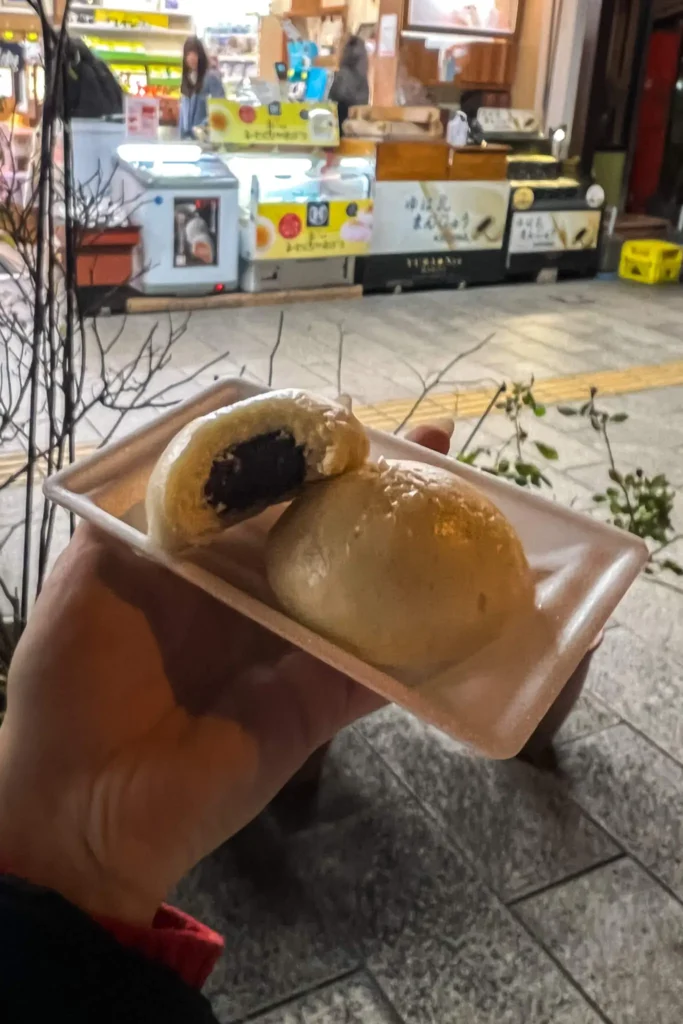
While there are many types of manju (まんじゅう, steamed buns) that are popular all over Japan, Nikko’s most popular regional variations are sake manju and yuba manju.
Sake manju (酒まんじゅう) is said to have been the first type of sweet steamed buns to exist in Japan, dating back to the 14th century. The fermented bun is chewy and bouncy, and filled with sweet red bean paste, and it’s been popular in Nikko for many centuries.
Fried yuba manju (揚げゆば饅頭) is a more modern local specialty from Nikko. It consists of wrapping yuba (tofu skin) around the bun filled with sweet red bean paste, and frying it until crispy. The result is a sweet and savoury treat, from the contrast of the fried tofu skin and the sweet bun filling.
Where to eat them
While sake manju didn’t exactly originate in Nikko, this local specialty has been produced by the historical sweets shop Yuzawaya for 200 years, and it’s now a popular souvenir from the city. They also sell other local sweets, like yokan and shaved ice, so you can try several treats at once!
On the other hand, Sakaeya is the most popular place to buy yuba manju. The shop is also famous for its kakigori shaved ice, so I recommend trying both when you visit.
Visiting Nikko from Tokyo? Check out my local Tokyo food guide!
4. Kakigori Shaved Ice
Kakigori (かき氷) is a Japanese sweet dessert made with pure, thinly shaved ice that looks and feels like snow. Nikko’s very own kakigori (日光天然氷のかき氷) is made with the region’s pristine mountain water, which is frozen and stored in Nikko’s icehouse – one of just five existing in all of Japan!
Each kakigori specialty shop sells their own signature flavours, so you can try any of your favourites – from strawberry to red bean, or even the classic ujikintoki (matcha with sugar syrup).
Where to eat it
The most famous place to try kakigori shaved ice in Nikko is definitely Shogetsu Himuro. They serve generous snow cones in all sorts of seasonal flavours, as well as Japanese classics like matcha, black sugar syrup with roasted kinako, strawberry, and melon! You won’t run out of options, but be aware that the lines can be very long in busy periods!
Another popular place that sells kakigori is Sakaeya, which is also famous for selling yuba manju, so I recommend getting both when you visit! However, for a more authentic experience, visit Nikko Coffee, a cafe in a traditional Japanese house near the temples.
5. Yōkan (Sweet Bean Jelly)
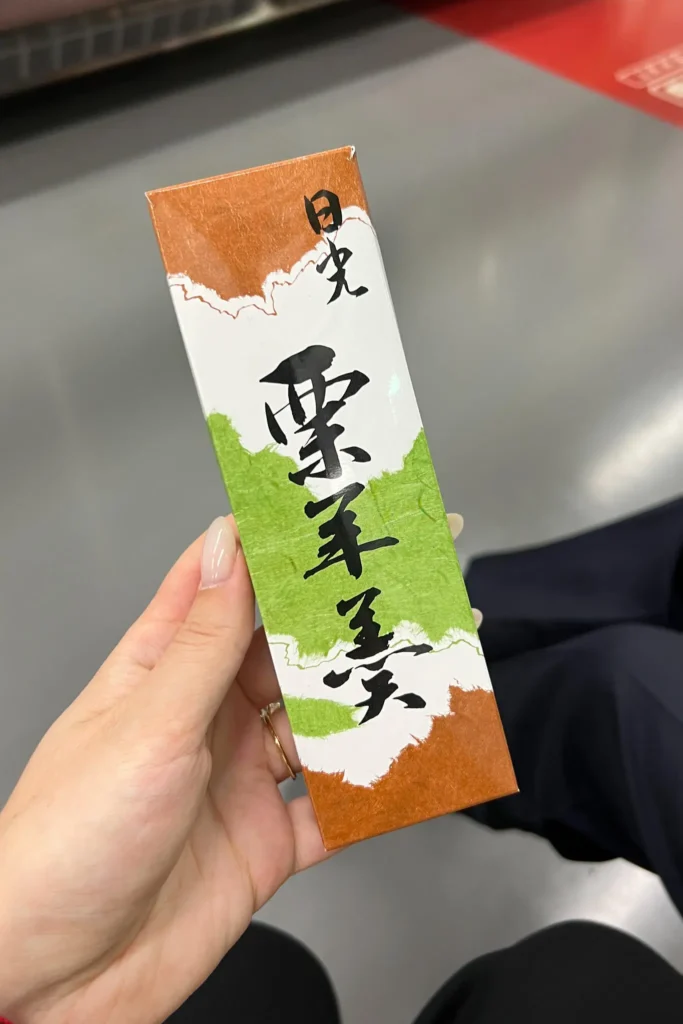
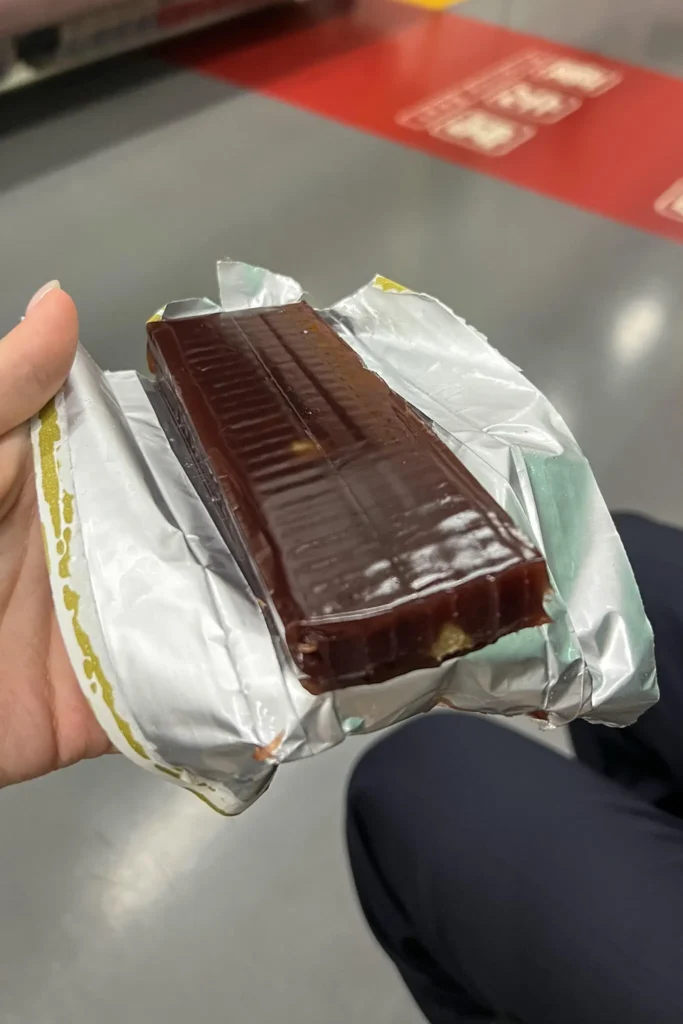
Yōkan (羊羹) is a smooth, jelly-like Japanese confectionery, normally made with red bean paste (anko), agar, and sugar, but it can also be made with other flavours such as sweet potato or chestnut. It’s usually sold as a block and eaten in slices and paired with green tea.
In Nikko, yōkan was used as an offering to temples and shrines, and as a souvenir for pilgrims. There are two types: the standard yōkan is firm, dense, and gummy, whereas mizu yōkan (water yōkan) is lighter and more gelatinous.
When it was introduced in Japan from ancient China by Buddhist monks during the Kamakura period (1185–1333), the original yōkan was not a sweet at all. It was a hot soup dish made from mutton – but, since meat consumption is prohibited in Zen Buddhism, the recipe was altered to use plant ingredients suitable to the monks’ diets. Then, after the development of agar-agar in the 16th century, yōkan became the gelatinous sweet treat we know today.
Where to eat it
You can buy yōkan from historical specialty shops in Nikko, such as Mitsuyama Youkan, established in 1895. This is where I purchased my own block of handmade mizu yōkan with chestnut flavour, as I visited in autumn. Other historical shops include Watahan and Yoshidaya Youkan Honpo.
Final thoughts
I hope this local Nikko food guide featuring the best traditional foods and where to eat them is helpful for your upcoming trip! There are more typical foods that you can discover in the city, but this list is a good start.
If you have questions about any part of this post, feel free to reach out in the comments below!
Visiting Nikko soon? Check out my Japan guides:
Visiting Japan soon and looking for the best foods to try in Nikko? Pin this Nikko food guide to save it for later!